 xinschool


初来乍到的旅行者应该了解的七件中国文化大事
Are you planning your first trip to China? Planning a trip to a place you’ve never been can be daunting especially when it’s a faraway destination like China.
China’s unique culture and traditions can be quite different from other countries and first-time travelers often experience culture shock in China. However, with some knowledge of Chinese culture your trip will be much more enjoyable and less stressful, you’ll be better prepared to navigate Chinese customs etiquette and daily life.
Here are seven essential things about Chinese culture every first-time traveler should know before visiting China. These tips will help you understand local culture, customs, traditions and expectations, making your trip to China smoother and more memorable.

1. Crowds and lines
It’s hard going anywhere in China where you won’t experience crowds especially at the big tourist attractions with 1.4 billion people squeezed into the country it’s easy to see why. While the locals are used to it, might take some time before you build your confidence. Some Chinese people are prone to pushing in and not staying in an orderly line – this can be an eye-opener for international travelers.
The best strategy for avoiding crowds is visiting an attraction first thing in the morning or later in the day. You should also avoid national holiday periods like Chinese New Year.
And if you’re lining up, make sure you stay close to the person in front of you. Like really close! Standing close to others is common in Chinese culture and society, so don’t be afraid of it.
2. The Concept of Face in Chinese Culture
The concept of face is extremely important in Chinese culture and it’s one that many foreign travelers find difficult to understand at first.
In Chinese society face refers to a person’s dignity, reputation and social standing. It’s about not causing someone to lose their dignity or allowing yours to be lost. The locals tend to control their emotions in public, avoid revealing weaknesses and refrain from public criticism.
When doing business in China be especially careful not to jeopardize your relationship by causing someone to lose face. Complimenting your host or offering a thoughtful gift is a good way to show respect and maintain harmony in both personal and business etiquette in China.
3. Payment Technology in China
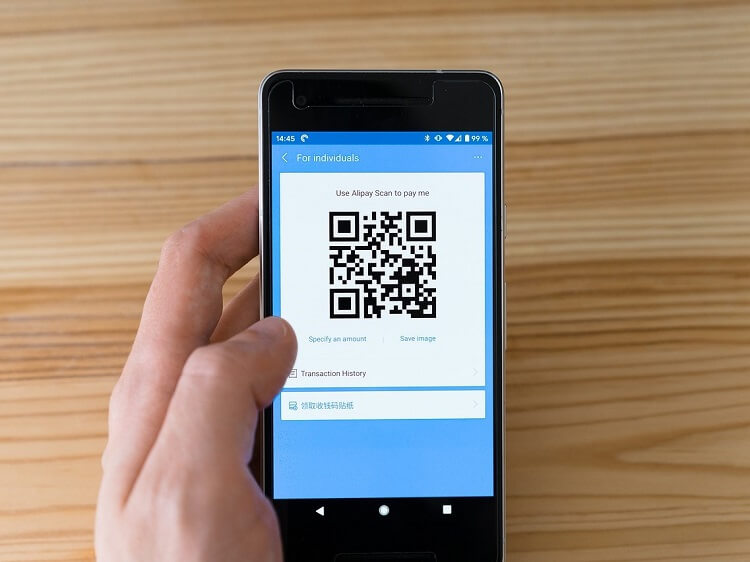
China is a leader in payment technology with innovations far ahead of many other countries. You may be surprised to see that people use their phones for nearly everything including buying food, paying for train tickets and even at local stores. Popular payment apps in China like WeChat Pay and Alipay dominate the landscape of everyday transactions.
In China don’t expect most retailers to accept your credit cards. Credit card use is not as ingrained in the Chinese shopping culture making digital payments the most convenient option. If you plan to travel make sure to use mobile payment apps like WeChat and Alipay for a seamless experience, WeChat and Alipay offer easy and secure ways to pay for everything from groceries to transportation.
4. Chinese Food and Dining Culture
Chinese food is a vital part of Chinese culture and meals are an essential time for families to bond and socialize. The food served in China is likely very different from what you might find at your local Chinese restaurant. Don’t expect to find dishes like honey chicken, this type of food is common in places like Hong Kong, but is not widely served in mainland China.
One of the most iconic parts of eating in China is the use of chopsticks. In most restaurants you won’t be offered a knife and fork. In Chinese dining culture group meals are common. Popular meals like hotpot are social affairs especially in West China. But you can now find hotpot restaurants all over the country. Embrace the social aspect of meals and share a hotpot with friends or colleagues!
Be sure to be adventurous with your Chinese food choices! Chinese cuisine offers a variety of unique and authentic dishes that you may never have the chance to try again, so use the opportunity and savor the experience.
5. Language: Learning Mandarin and Other Chinese Dialects
Mandarin is the official language of China, but it’s not the only Chinese language spoken across the country. There are several regional languages, including Cantonese and Shanghainese, which are common in certain provinces, regions and cities. This diversity makes traveling in China an exciting experience as you may encounter a variety of Chinese dialects.
If you’re joining a packaged tour in China, you’ll have a guide to assist with communication. However learning a few basic Mandarin phrases or even numbers can go a long way, especially when bargaining for souvenirs in local markets.
Mandarin is a tonal language, meaning that Mandarin tones are essential. There are four main tones in Mandarin and mispronouncing them can alter the meaning of what you’re trying to say—or make it unintelligible.
While mastering Mandarin in a short time is unlikely having a translation app on your phone can be incredibly helpful, especially when dealing with Mandarin pronunciation and tones.